Mor Detail
ADVENTURE HIGHLIGHTS
1. Landing at Lukla Airport’s
The journey to the Three Passes Trek will start with a thrilling flight to Lukla. This airport, officially known as Tenzing-Hillary Airport, is considered one of the most thrilling airports in the world.
The runway is very small and built on an incline. When the plane lands, your heart might skip a beat. However, the excitement does not stop after landing.
Once you step out of the plane, the real adventure begins. From that moment onward, you will have to continue on foot.
Lukla is a small town full of trekkers either starting or ending their journey to Everest Base Camp. You will also see animals like yaks and encounter noisy markets buzzing with activity.
Also, the fresh mountain air hits you, and you instantly know you’re ready for an amazing journey. This flight and your first steps in Lukla perfectly set the tone for everything ahead.
Before coming to Nepal, make sure you have trained well for the Everest Three Passes Trek by walking regularly for at least an hour daily, doing uphill hikes with a backpack, and building stamina with cardio. This trek is no joke, and your body will thank you later.
2. Crossing Three High Mountain Passes
The Everest Three Passes Trek is widely acclaimed and highly honored for taking you over three massive mountain passes: Kongma La, Cho La, and Renjo La. All of them stand above 5,300 meters.
The route ascends steep, rocky ridges where you must be cautious with every step. You can feel the air getting thinner and breathing becoming more difficult. However, all your sweat is worth it.
The views from these passes are truly stunning. The sky will feel closer, and the mountains will surround you like a huge crown. Crossing these passes helps your body adapt to the altitude, making the rest of the trek slightly easier. Also, going slow and taking frequent breaks is very important at this stage.
3. Uncovering the Hidden Gokyo Lakes
There is a very unique part of this trek that involves viewing the Gokyo Lakes. These lakes are highly transparent and surrounded by tall, snow-covered mountains.
The water looks deep blue and peaceful, which makes this place feel calm and magical. Also, Gokyo is less crowded than other spots on the Everest trekking routes.
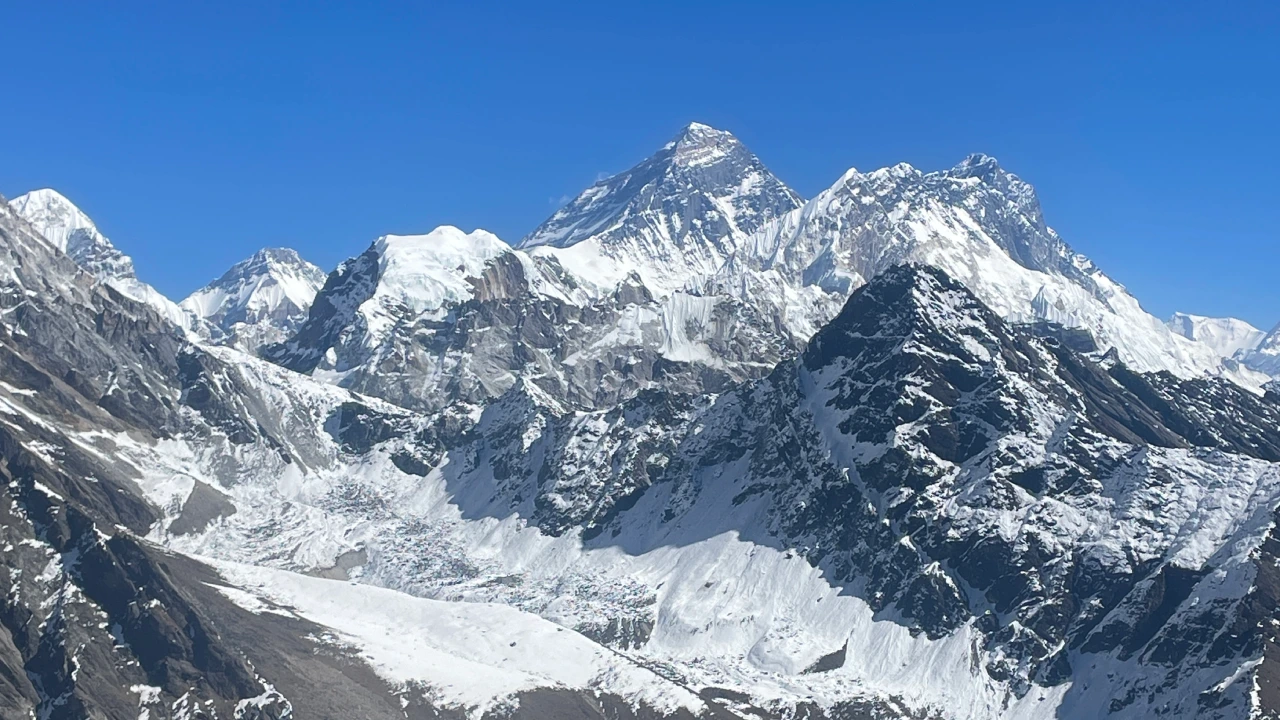
Here, you get a chance to enjoy nature in silence. You can also climb Gokyo Ri, which is a small peak that offers an incredible panoramic view. From the top, you can see four giant mountains, including Everest. You will also witness the massive Ngozumpa Glacier stretching below.
Spending time here gives your trek a quiet, reflective break before the challenging passes ahead.
4. Reaching Everest Base Camp
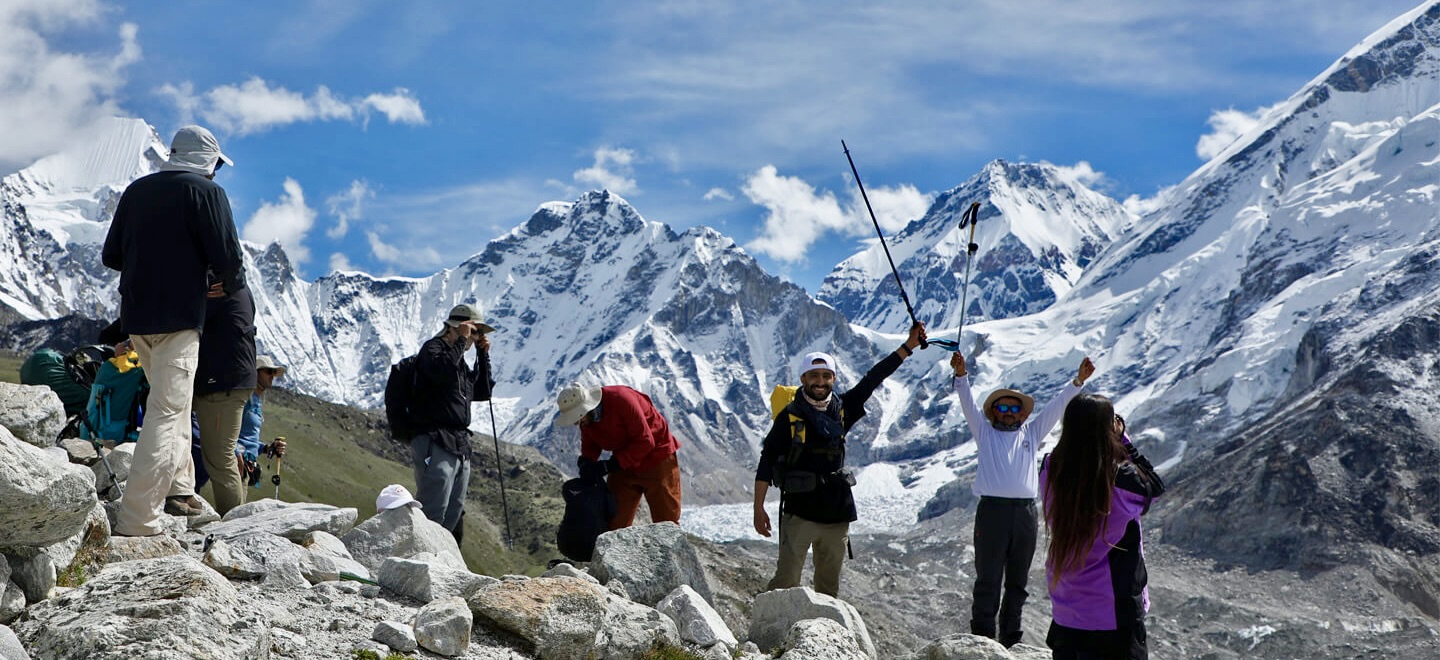
After many days of walking, you finally reach Everest Base Camp. This is where climbers begin their ascent of Everest. The air here is very cold, and the wind is strong.
Nevertheless, it is a very special feeling to be here. You are in the middle of the highest mountains in the world. The place is simple, filled with rocks, ice, and fluttering prayer flags.
Moreover, it is not just about the view. It is about the long journey you took to get here. The silence and the strong wind make you feel small, yet proud. This moment stays in your heart forever.
5. The Final Push to Kala Patthar
Kala Patthar is known to be the highest point of the Everest Base Camp trek, standing at an altitude of 5,545m above sea level.
You have to climb slowly and rest every now and then, as the trail is rocky and the air is very thin. But when you reach the top, you won’t remember the struggles.
Everest is bathed in golden light by the sunrise, right in front of you. The horizon of the sky feels endless, and the mountains surround you on all sides like a dream.
Besides, this is not an easy hike. It’s really tough. But the feeling of standing on the top of Kala Patthar is one of the best rewards of the trek.
The feeling is deep and personal. You remember all the days it took to get here. It is an experience where you know you earned every step.
Scenic Highlights
1. Gokyo Lakes That Look Like a Dream
The Gokyo Lakes are honestly unreal. They are a group of bright blue lakes lying peacefully in the high mountains. When you first see them, you will feel like someone photoshopped the whole place.
The water is super clear, and the sky looks like it’s painted on the surface. Everything feels calm and fresh. Also, you can see snow peaks standing around them like giant protectors.
You feel like you’re in a high-altitude fairytale. There are six main lakes in the Gokyo series, and each one looks straight out of a fantasy film. Thonak Lake is the largest of them all, sitting at 4,834m.
Gokyo Lake is right behind it in size and sits close to the cute village of Gokyo itself. Besides, the lakes are not just beautiful sights to look at. They are part of the Dudh Koshi river system, which flows into the mighty Koshi River and ultimately joins the Ganga River.
So yeah, these dreamy blue lakes up in the clouds actually help support millions of lives far downstream. That is nature being magical and useful at the same time.
2. Views from Renjo La-Pass
The Renjo La viewpoint is truly one of the most beautiful viewpoints of the entire trek. It sits at around 5,360m, and from here, you can see Everest, Lhotse, Makalu, and even the Gokyo Valley below, like a scene from a dream.
You will literally feel like you are walking on the roof of the world. However, the climb up is no joke. It is very steep and rocky, and the air is really thin. So you have to go slow and steady.
But when you get the view from the top, every step will feel like it was leading you to magic.
3. Trekking in a World of Ice
Trekking on the Khumbu Glacier is like trekking in a world of ice. The trail follows alongside huge ice walls, broken rocks, and towering ice pinnacles.
Moreover, you can see the famous Khumbu Icefall, which looks wild and stunning. But dangerous at the same time. However, this is not a soft and serene place.
It is rough and noisy, filled with the sound of shifting ice. You will witness just how powerful and alive these glaciers truly are.
4. Sunrise from Kala Patthar Over Everest
There is a reason why the sunrise from Kala Patthar is legendary. The entire Himalayan range gradually lights up as the first golden rays touch the top of Everest.
The sky shifts from dark blue to shades of pink and orange, and you just stand there speechless. Moreover, after days of walking and climbing, reaching this moment feels like the mountain is giving you a gift.
It is emotional. It is beautiful. It is unforgettable!
5. The Sensation of the Valley Around Gokyo and Chukhung
These valleys feel peaceful and secure since they are nestled between enormous mountains.
Gokyo boasts deep blue lakes and stone-built lodges, while Chukhung Valley offers soft golden grass and vast open skies. However, the peaceful vibe is the real highlight.
These places are less busy than other stops, giving you time to breathe and simply take in your surroundings. Also, you can spot wild animals like the Himalayan Tahr or large birds soaring above you. It is peaceful but full of life!
CULTURAL HIGHLIGHTS:
1. Sherpa Villages and Hospitality
You will pass through charming Sherpa settlements like Namche, Tengboche, and Thame as you travel through the Khumbu region. The people there are welcoming, and their homes are bright and comfortable.
Sherpas are known for their friendliness, strength, and a beautiful, strong bond with the mountains. There will always be kind hellos and warm smiles waiting to greet you.
Moreover, you may be invited into teahouses that look like tiny homes, with prayer flags flying outside and wood stoves keeping the fire warm.
2. Wheels of Prayer and Monasteries
Tengboche Monastery is one of the most peaceful and spiritual destinations on the trek.
You feel at ease here because it is surrounded by mountains, and you can hear chanting sounds in the air that create a calming atmosphere. Prayer wheels, mani stones, and little stupas are also visible along the route.
It is said that walking around the wheels in a clockwise direction and spinning them will bring good fortune.
3. The Buddhist Traditions in Everyday Life
The trail is filled with signs of Buddhism. From yak horns placed above doorways to giant carved stones inscribed with sacred mantras, everything holds meaning here.
However, the coolest part is how all these traditions still live on today. You see kids spinning prayer wheels, old grandmas lighting butter lamps, and monks walking in red robes.
4. Festivals in the Mountains
The Khumbu region is not just about big mountains and fresh air. It is also full of culture and old traditions. If your trek falls during a local festival, your trip becomes even more special, often without you expecting it.
Here are some cool mountain festivals you might experience:
Mani Rimdu
This is the biggest festival here. It takes place at Tengboche Monastery in October or November. Monks wear masks and perform powerful dances to cleanse bad energy and bless the land. Locals and trekkers alike come to watch. Everything about this festival feels magical.
Dumje Festival
Normally, this festival usually happens in June around Namche, Khumjung, and Thame. The locals celebrate the birthday of an important Buddhist spiritual leader named Guru Rinpoche. The Sherpa people dance, sing, and pray while wearing their traditional clothes. Everything looks bright and cheerful.
Lhosar (Tibetan New Year)
This is the New Year for Tibetan Buddhists, celebrated in January or February depending on the lunar calendar. Families clean their houses, cook tasty food, and go to monasteries to pray. It is a quiet and peaceful time. If you are in a village during Lhosar, you will feel the fresh, peaceful vibes all around.
5. Yak Caravans and Mountain Life
The yaks here are not just cute animals; they are the OG mountain trucks. They effortlessly transport food, fuel, equipment, and even your duffle bags over uneven terrain.
You will see them wearing colorful clothes and wearing bells around their neck as they move in large lines. The valley really echoes with the gentle sounds of the bells.
Also, you will often see Sherpa herders guiding them while humming mountain songs or chatting with each other in calm voices. It feels like a scene from a famous Nepali movie. Yaks are a big part of high-altitude life. Without them, these remote villages would never be able to survive. Seeing them up close makes you respect how smart and strong these animals really are.