

-
5555m
-
B.L.D
-
2-3o
-
Autumn-Sumer
-
Flight
-
Kathmandu
Everest Base Camp trek is not just a trek. It is a once-in-a-lifetime experience in front of the world’s highest mountain Mount Everest aka Sagarmatha (8,848.86 m). It is one of the most iconic journeys on the planet, and for good reasons.
You are not just walking into a place, you are walking into a feeling, a memory that will stay with you forever.
Our 12-day Everest Base Camp trek is not just intense and emotional but also unforgettable. It starts when you land in Kathmandu. When your walk around here in the evening eating good food and seeing temples, you already feel the excitement even before the trek begins.
However the next day, you take a flight to Lukla. This airport located in the heart of the mountains, is called Tenzing-Hillary Airport and is believed as one of the world’s most thrilling airport. The flight of 20 to 25 minutes though thrilling comes with beautiful window view. When you land there, the city life is behind you and your trek begins.
From Lukla, you have to walk every day. There is a trail used by trekkers, locals, yaks, and porters. Every day you have to walk for 6–7 hours, sleep in small lodges and tea houses in the villages along the way. And after 9 days, you will reach Everest Base Camp and return back to Lukla after that.
From Lukla, you will walk every day through forests, small villages, and tall bridges. You will see big mountains, yaks, prayer flags, and smiling local people. Step by step, you go higher. The air gets colder and thinner. But the views get better.
Moreover, this is not just a trek. This is the trail to freaking Mount Everest!
You are walking to the base of the highest mountain on Earth. The mountain people spend years just dreaming of. This isn’t some random weekend hike. This is Everest. And the path that takes you there? It’s full of moments that will stay under your skin forever.
However, it is not always easy. The path can be steep. You might get tired. The altitude might make you slow. But if you take it slow and steady, trusting yourself, because of course, you can do it and you will get there!
And when you finally reach Everest Base Camp (5,364 m) and stand in front of Mount Everest, you will feel proud and happy along with magical and full of wonder! You made it. You were really there.
If you are someone who loves hiking and trekking, then you cannot miss the chance to walk to the base camp of the highest mountain in the world. Like, come on… this is the highest mountain in the entire world. The kind of trail you tell your grandkids about.
TREK HIGHLIGHTS
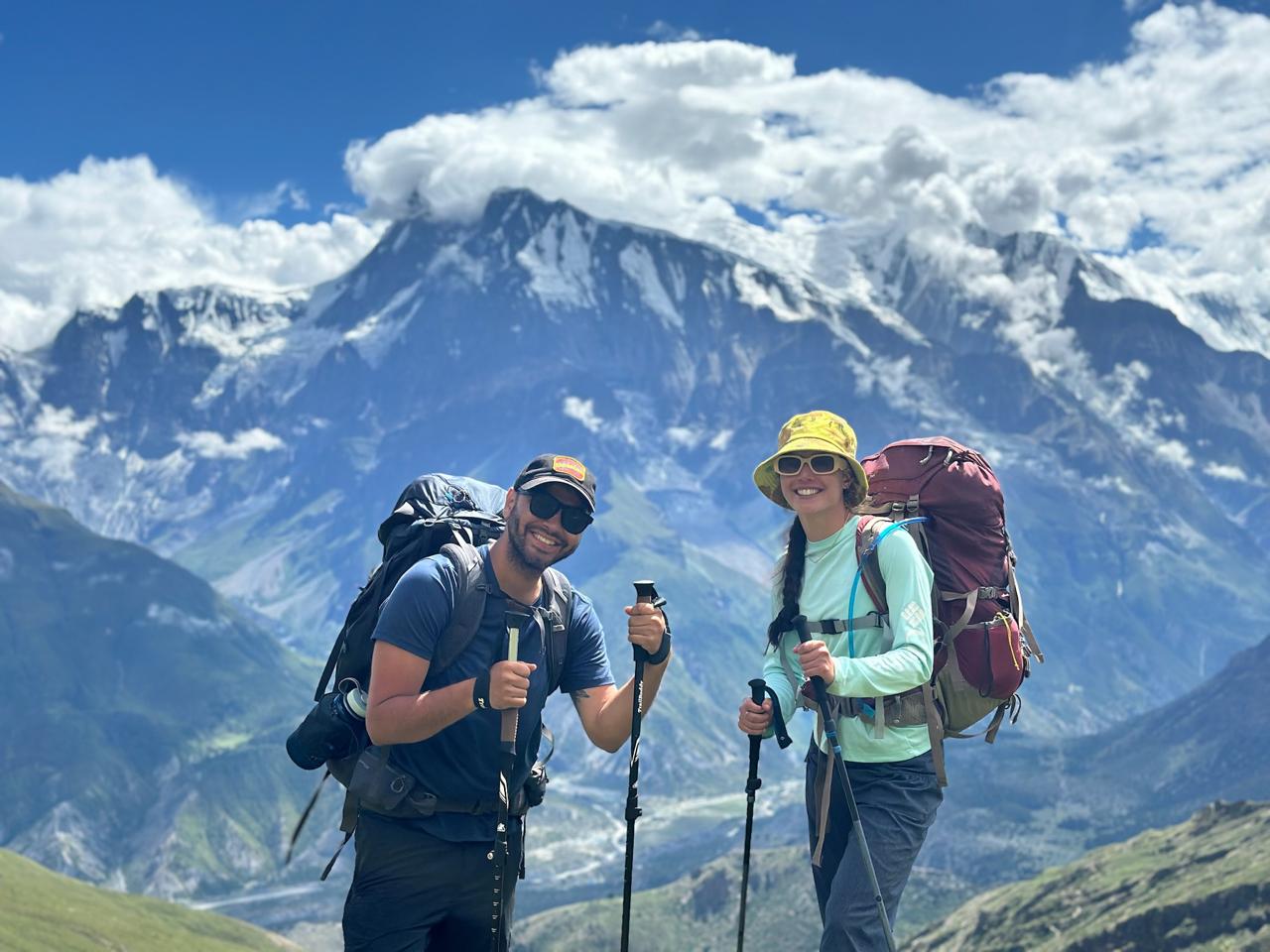
The Everest Base Camp trek isn’t just a trek. It’s a walk with Everest itself. You’ll see the mountain alongside you, in front of you, sometimes concealed behind clouds, and then suddenly revealed like magic. Yet, it’s not just about the views. This is real mountain trekking, where your body aches, your mind quiets, and your heart opens up.
Along the way you’ll pass through peaceful Sherpa villages, where life gets simple and sturdy. The people you meet are warm and welcoming. Their food, their hospitality, their peace, everything stays with you!
As you walk further you also feel something deep, like a spiritual energy. There are old monasteries like Tengboche, prayer flags waving in the wind, and a stillness that feels intense.
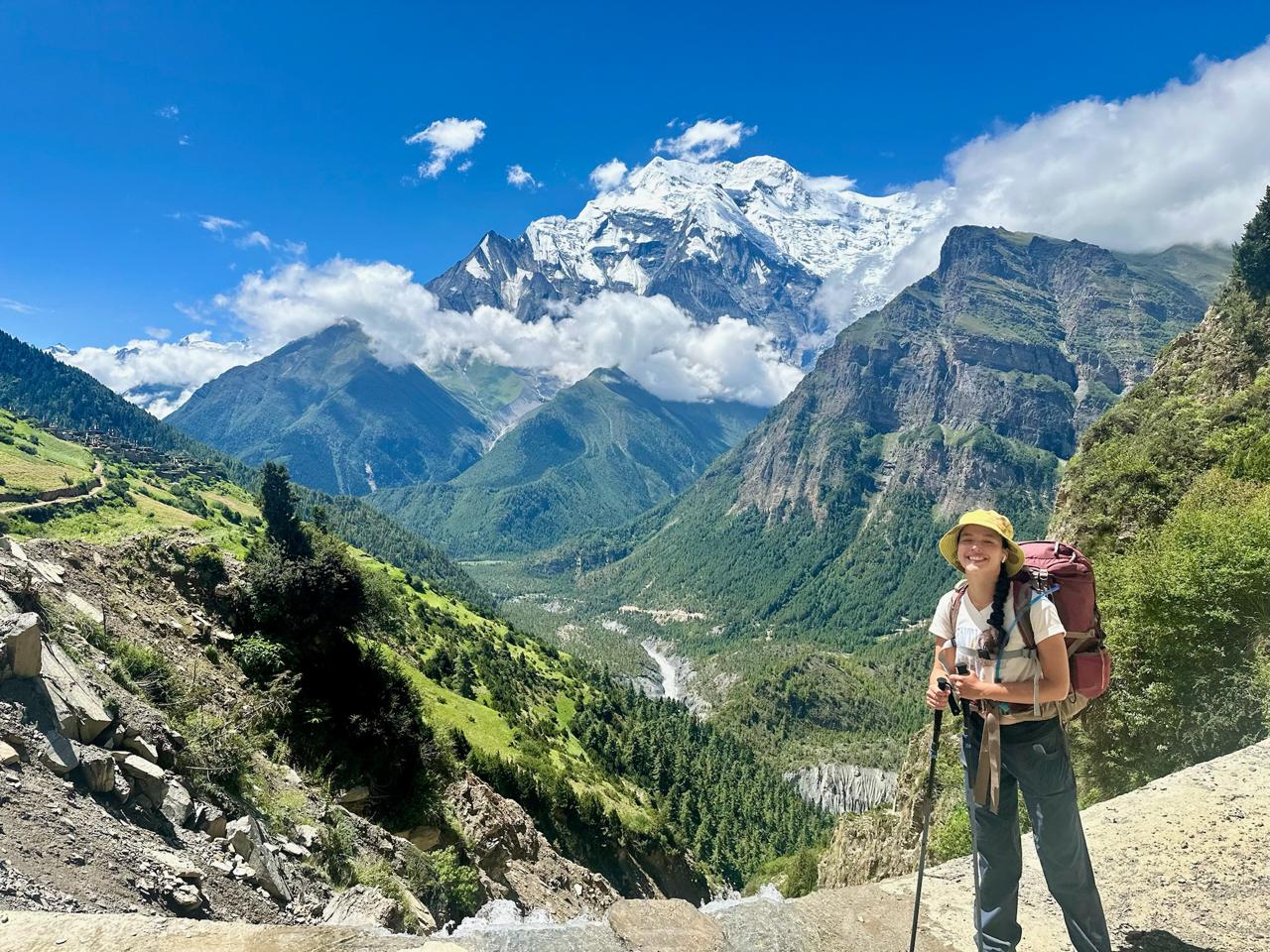
And the scenery? They are usually expansive skies, with snow-topped mountains, and valleys also look quite amazing. Well, some days sunrise some days misty, but they’re always breathtaking.
At night, you sleep in small mountain teahouses, drink tea, eat dal bhat, and rest your tired legs.
Once you’re at base camp, after all the walking and cold, thin air, you don’t exactly see Everest. You sense it. You know that you did it. And that is a different moment. It’s a memory you keep in your heart forever.
Let’s explore the major highlights of this Everest Base Camp trek now:
Highlights
- The "Himalayan Giants": You aren't just looking at Everest; you are surrounded by a theater of 8,000-meter peaks. Highlights include Lhotse, Nuptse, Makalu, and the "Jewel of the Himalaya," Ama Dablam
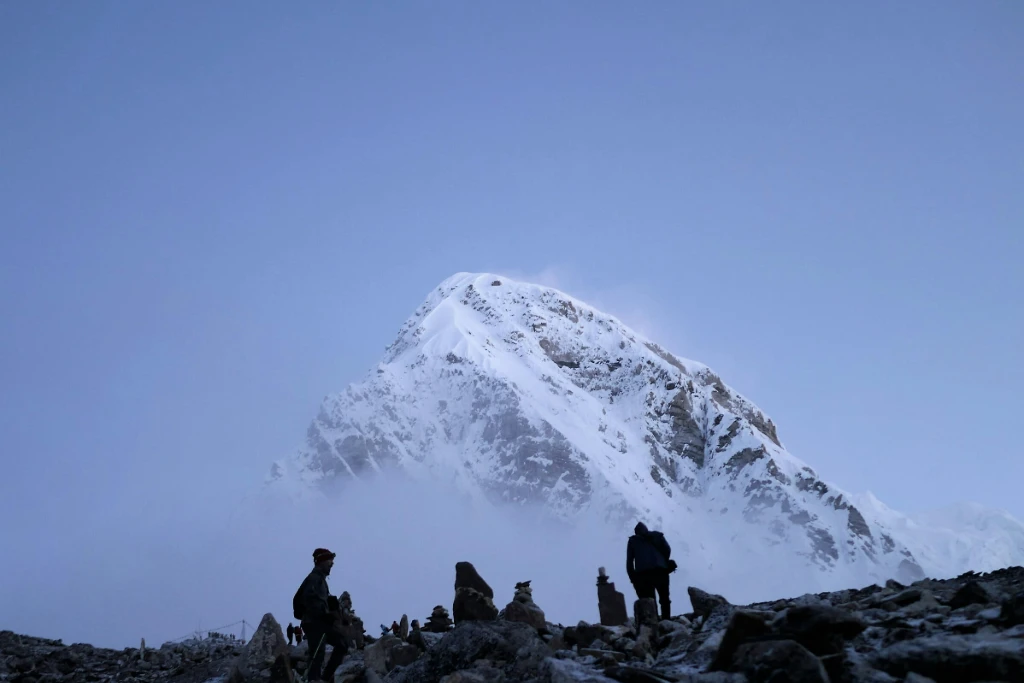
- Kala Patthar (5,545m): While Base Camp is the goal, Kala Patthar provides the best view. It’s the highest point of the trek and offers a 360-degree panorama, including a clear, unobstructed view of Everest's summit which is actually hidden from the Base Camp itself.
- Khumbu Glacier & Icefall: You’ll walk alongside the world’s highest glacier. Seeing the Khumbu Icefall—a massive, frozen river of towering ice seracs—is a humbling reminder of the mountain's raw power.
- Sagarmatha National Park: A UNESCO World Heritage site, the trail winds through lush rhododendron forests (which bloom in spring), pine-scented valleys, and high-alpine deserts
- Namche Bazaar (3,440m): The "Gateway to Everest." This horseshoe-shaped Sherpa town is a bustling hub of bakeries, gear shops, and even the world's highest Irish pub. It’s a fascinating mix of ancient tradition and modern trekking culture.
- Tengboche Monastery: Perched on a ridge at 3,867m, this is the spiritual heart of the Khumbu. Watching the monks perform their morning prayers with Ama Dablam framed in the window is a profoundly serene experience.
- Sherpa Heritage: Beyond their fame as elite climbers, the Sherpa people have a rich history. You’ll pass through villages like Khumjung (home to the "Yeti Scalp" at the local monastery) and Pangboche, the oldest permanent settlement in the region.
- Hillary Suspension Bridges: You’ll cross several high, swaying bridges draped in colorful prayer flags. The most famous is the Hillary Bridge, which hangs hundreds of feet above the turquoise Dudh Koshi River.
- Standing at Base Camp (5,364m): The ultimate milestone. During the spring climbing season (April-May), the camp is a "yellow city" of expedition tents. Standing there, surrounded by prayer flags and the history of mountaineering, is a bucket-list moment for any traveler.

